Time Management
Where does your time actually go? This module starts by measuring it — then confronts the biggest time thief most of us carry around all day: our phones.
What the module covers.
The module opens with awareness. Participants estimate how long a minute actually feels, then work through a time-use worksheet: how many hours per day go to each part of their life. A circadian rhythms worksheet helps them see when their energy naturally rises and falls, and a round of quick, practical time-management tips gives them tactics they can apply immediately.
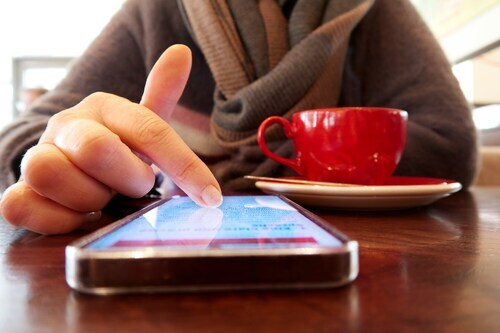
The second half tackles screen time head-on. The average person spends 5 hours and 16 minutes a day on their phone (1/3 of their waking hours) with roughly half of that on social media. Participants walk through five signs of too much phone time, from ignoring loved ones to using the screen to avoid feelings, check their own phone attachment, and leave with concrete strategies and app recommendations for taking those hours back.
Topics.
-
Where your time actually goes: an honest hour-by-hour inventory
-
Circadian rhythms and working with your natural energy, not against it
-
Quick, practical time-management tactics
-
Screen time by the numbers, and how much of it is social media
-
Five signs you're on your phone too much
-
Strategies and apps for cutting screen time and reclaiming your hours
Module package contents
- Facilitator deck (correctional version)
- Facilitator deck (community version)
- Implementation guide
- Activity list and required materials
- Discussion prompts
- Pre-test and post-test (editable)
- Print-ready handouts and worksheets
Adapted for context
| Correctional | Community |
How it's delivered.
The session mixes worksheets, video, and discussion: the "How Long Is a Minute?" activity, the time-use and circadian rhythm worksheets, a phone-attachment self-check, and a group conversation about how participants already use their phones to manage time. Practical takeaways include eight screen-time strategies (phone out of the bedroom, airplane mode by 9 pm, get an alarm clock) and free apps like Flora, Flipd, Todoist, and Clockify.

BRING BRIGHTER PATH TO YOUR FACILITY
We work with correctional facilities, reentry organizations, and community recovery programs.
Whether you're looking for a complete eight-module series or a single workshop to fill a specific gap, Brighter Path is built to fit the population, facility, and the facilitator.