
Nutrition
Food is a crucial part of recovery. In one six-month study, 81% of participants who cut sugar, caffeine, and junk food stayed sober compared to under 40% on a standard diet.
What the module covers.
Substance use disrupts the body's ability to digest food and absorb nutrients. People in recovery are often deficient in B vitamins (thiamine deficiency is especially common and serious in alcohol use), and the effects show up everywhere: reduced immunity, low energy, digestive and dental problems, slow wound healing, and psychiatric symptoms. This module explains the damage plainly, then focuses on repair.
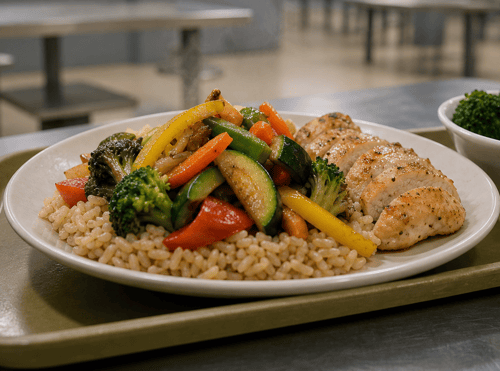
Participants learn which foods support healing (thiamine-rich foods, whole grains, yogurt), why refined sugar and caffeine can increase cravings, and how much sugar is actually hiding in common drinks. The practical framework comes from MyPlate and the Dietary Guidelines for Americans: half your plate fruits and vegetables, half your grains whole, less sodium and added sugar. Small changes, sustained over time.
Topics.
-
How substance use disrupts digestion and nutrient absorption
-
The research linking diet to sobriety, including sugar, caffeine, and cravings
-
B vitamins, thiamine, and the foods that support healing
-
How much sugar is really in your diet
-
Daily calorie needs and reading what your body requires
-
MyPlate guidelines and small changes that add up
Module package contents
- Facilitator deck (correctional version)
- Facilitator deck (community version)
- Implementation guide
- Activity list and required materials
- Discussion prompts
- Pre-test and post-test (editable)
- Print-ready handouts and worksheets
Adapted for context
| Correctional | Community |
How it's delivered.
Sessions center on discussion and practical teaching, with activities facilitators can adapt to their group and setting: a Healthy Plate exercise, a round of Nutrition Jeopardy, or a simple overnight oats recipe where that's an option. Every participant sets personal nutrition goals and leaves with free resources (Nutrition.gov, EatRight.org) they can keep using after the session ends.

BRING BRIGHTER PATH TO YOUR FACILITY
We work with correctional facilities, reentry organizations, and community recovery programs.
Whether you're looking for a complete eight-module series or a single workshop to fill a specific gap, Brighter Path is built to fit the population, facility, and the facilitator.